

Need help
Frequently Asked Questions.
Everything you need to know about our matchas.
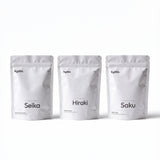
Seika - exceptional ceremonial grade, Ichibancha ground with a stone mill, zero bitterness. Hiraki - classic ceremonial grade, balanced and vegetal. Saku - superior culinary grade, frank flavor that holds up to cooking.
The origin does not change, the use and grade do.
Bitterness comes from inferior quality, water that is too hot, or excessive dosage. Our tea plants are shaded for several weeks before harvesting. This technique concentrates L-theanine and reduces the tannins responsible for bitterness.
Our three matchas come from Uji, Kyoto region, the historical birthplace of matcha for over 800 years. Family farm, shade-grown, hand-picked, stone-ground. Only one harvest per year.
1g ≈ 25–35mg (a light espresso).
2g ≈ 50–70mg (a classic coffee).
L-theanine slows down caffeine absorption: stable energy for 4 to 6 hours, without a peak or crash.
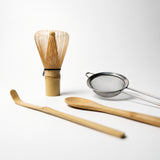
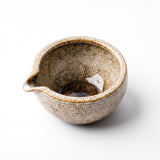
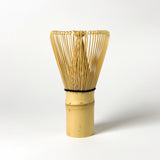
Sift 1g to 3g into a bowl. Add 70ml of water at a maximum of 75°C. Whisk in a W-shape for 15 to 20 seconds.
For a latte: whisk 1g to 3g with a little hot water, then top up with 150ml of your preferred milk, hot or cold.
No, an electric frother works very well for daily use. The main thing is to dissolve the powder thoroughly to avoid lumps.
Unopened sachet: 12 to 18 months.
Opened: 2 to 3 months for optimal freshness. Reseal tightly, store in the refrigerator, away from moisture and light.
Ships within 24 to 48 hours. Delivery within 3 to 6 working days in metropolitan France. Free delivery on orders over €50.
You have 14 days after receipt. Sealed packet: return accepted, full refund. Open packet: no returns, for food regulatory reasons.
They tasted it.
What they say about it.
The first matcha I've ever drunk without bitterness. The difference compared to what I found in organic shops is incomparable.
I prepare it every morning instead of coffee. Stable energy all morning, no slump at 11 am.
Used for my lattes and pastries. The color and taste hold perfectly, even when baked.